Cultural Tapestry of Farewell: Traditions, Community, and Honor in Indian Farewell Rites
Wiki Article
Across the vast and diverse landscape of India, traditions associated with honoring an individual's passing represent a profound expression of collective heritage. From rural villages to major cultural hubs, the rites dedicated to paying final respects demonstrate unmatched grace, historical roots, and mutual support. Rather than focusing merely on loss, these practices establish a lasting connection, uniting relatives, honoring elders, and passing down timeless values. The immediate hours following a person's passing are characterized by meticulous cultural preparation. Loved ones lovingly execute time-honored home traditions that have been refined over centuries. The departed loved one is dressed in spotless traditional attire representing local artistic styles. White garments are most frequently chosen, reflecting social balance, harmony, and pristine beauty. Within specific regional groups, festive cultural cloths are used to mark a life full of accomplishment and honor. Fresh blossoms and natural garlands form a central element in these preparations. Artistically woven wreaths of sweet jasmine, brilliant marigolds, and fresh roses are carefully arranged around the individual. These floral decorations are far more than aesthetic adornments; they represent the vibrant beauty of life and the honor bestowed by the family. The gentle application of aromatic sandalwood paste, natural rosewater, and traditional herbal essences ensures an environment of supreme dignity, freshness, and cultural charm. One of the most visually striking and culturally significant aspects of Indian funeral customs is the solemn walk of honor from the household to the local ceremonial grounds. Understood as a public gesture of unity, this communal journey unites the broader neighborhood in mutual support. Community members, distant relatives, and lifelong friends assemble outside the domestic residence, dressed in modest, unadorned traditional white clothing showing total unity, equality, and shared respect. The individual is carried upon a gracefully constructed frame made from natural bamboo, adorned with fresh green leaves, traditional woven textiles, and rich floral garlands. As the walk progresses toward the resting destination, members of the community step forward to take turns carrying the frame upon their shoulders. Sharing this physical task stands as a powerful symbol of social unity, showing that the entire neighborhood shares the family's burden. Throughout several cultural zones, the gentle chiming of bells and melodic flutes enhances the journey, offering a graceful auditory backdrop that honors the individual's legacy within the public sphere. India's immense cultural diversity manifests clearly within the distinct farewell practices found across states and communities. Even as mutual respect and community participation stay identical throughout, the outward ceremonial forms adapt uniquely across different climatic, geographic, and cultural zones. Once the initial rites conclude, family life shifts into a structured phase of quiet reflection, observed over nearly two weeks. In this dedicated period, the household remains open as a hospitality space for visiting friends, distant relatives, and community members who drop in to share comfort and honor the family. Hospitality during this period is a vital cultural requirement. Simple, nutritious vegetarian meals are prepared daily in large quantities to serve all guests who arrive to honor the family. Sharing food in this manner encourages warm fellowship, provides an opportunity to recount cherished personal stories, while guaranteeing that the family receives active help and daily supplies from neighbors. The closing of the formal hosting phase is celebrated with an extended neighborhood meal. Elders speak about the individual's life legacy and community service, passing down valuable life lessons to youth. Acts of charitable giving—such as donating clothing to community members, distributing food to those in need, or supporting local educational initiatives—are carried out to celebrate the person's legacy, reinforcing the value of community service and social responsibility.
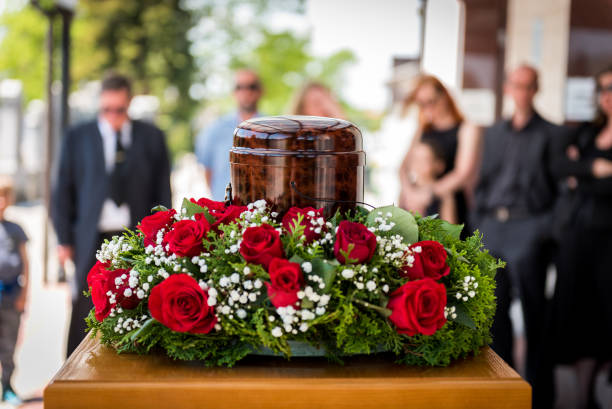
Dead Body Transportation in Kolkata Families across India handle these dignified moments with a unique blend of communal togetherness and structured ritualism. Whether in quiet country settlements or dense metropolitan districts, the collective gathering of relatives, neighbors, and friends underpins every step of the cultural farewell. These observances provide a structured cultural framework allowing society to express gratitude, care for grieving households, and pass on oral histories.
Loving Preparation and Aesthetic Elegance
The Solemn Procession: A Walk of Shared Respect
Element
Traditional Medium
Community Role
Clothing
Unadorned White Textiles
Symbolizes social equality, peace, and community unity.
Carrying Litter
Woven Bamboo and Foliage
Demonstrates local craft and eco-friendly design.
Garlands
Native Sweet Blossoms
Expresses high regard, warmth, and artistic beauty.
Natural Essences
Sandalwood Paste and Rosewater
Ensures sensory grace and natural care.
Subcontinental Diversity in Farewell Customs
Dead Body Transportation in Hyderabad No matter if the community practices gentle earthen burial or ceremonial fire rites, the emphasis stays firmly placed on cultural values of offering the individual back to nature's elements in a manner that honors the land and traditional environmental philosophy.
Hospitality, Remembrance, and Social Continuity
Final Reflections: Honor, Artistry, and Unity
Dead Body Transportation in Pune These subcontinental customs demonstrate a beautiful example in community togetherness, textile art, and social respect. By transforming a moment of farewell into a dignified celebration of cultural heritage, these traditions showcase the strength of human connection and collective support. Through beautiful floral arrangements, white-clad processions, regional artistry, and generous hospitality, Indian culture honors the journey of the individual and keep their rich social fabric alive for years to come.